Meta Ray-Ban Gen 2 Smart Glasses Review: Complete 2025 Guide
Smart glasses promise hands-free computing, but most fall short on battery life or look awkward. The Meta Ray-Ban Gen 2 smart glasses break that pattern by doubling battery performance while maintaining authentic Ray-Ban style that people actually want to wear.
Starting at $379, these second-generation glasses address the critical flaws that plagued earlier models. You get a 12MP ultra-wide camera recording 3K video, up to 8 hours of battery life, and Meta AI integration—all packed into frames that look identical to classic Wayfarers.
After analyzing real-world performance data and user feedback, we've identified both breakthrough features and significant limitations. This guide covers everything from technical specifications to daily usability, helping you decide if Meta Ray-Bans are worth the investment.
What Are Meta Ray-Ban Gen 2 Smart Glasses?
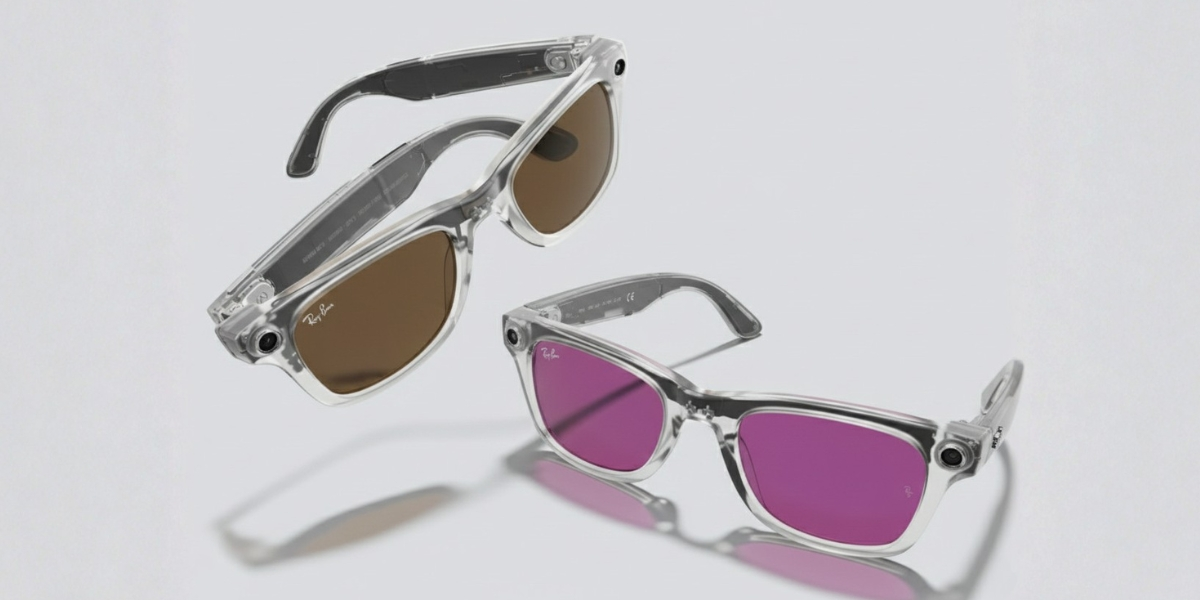
Meta Ray-Ban Gen 2 smart glasses combine Ray-Ban's iconic eyewear design with built-in camera, speakers, microphones, and AI capabilities. Unlike bulky AR headsets, these glasses look and feel like standard sunglasses while offering hands-free photo capture, video recording, music playback, and voice assistant features.
The Gen 2 model launched with major upgrades over the original Ray-Ban Stories, including doubled battery capacity, a significantly better camera, and integrated Meta AI powered by LLAMA 4. You can activate features using the "Hey Meta" voice command or physical controls on the frames.
Available in three classic styles—Wayfarer, Skyler, and Headliner—the glasses offer over 150 combinations of frames and lenses, including prescription and Transitions options. They require a compatible smartphone (Android 8.1+ or iOS 13+) and the Meta View app to function.
Meta Ray-Ban Gen 2 Specifications and Features
Camera and Video Capabilities
The Gen 2 features a 12MP ultra-wide camera that records video at 3K resolution for up to three minutes per clip—a massive leap from the 5MP sensor in first-generation models. The camera captures hyperlapse videos and will receive slow-motion capabilities through future software updates.
For content creators, this camera quality makes a real difference. The ultra-wide lens captures more of your field of view, and the higher resolution means your footage looks sharp on social media. The glasses store content in 32GB of internal storage before syncing to your phone via the Meta View app.
Battery Life and Charging
Battery performance represents the most dramatic improvement in Gen 2. Under typical use—casual photo taking, occasional music playback, and intermittent AI queries—the glasses deliver up to 8 hours of battery life, double the 3-4 hours from the original model. The charging case provides approximately 48 hours of total usage time.
However, heavy users should note realistic limitations. Continuous media capture, livestreaming, or extensive Meta AI use drains the battery to 15% in roughly 3 hours and 20 minutes. This places the Meta Ray-Bans between dedicated audio devices like Amazon Echo Frames (6+ hours of music) and power-hungry smart glasses with displays.
Audio System and Privacy Considerations
Five built-in speakers deliver double the bass and higher maximum volume compared to Gen 1, with improved directional audio. The open-ear design lets you listen to music or take calls while remaining aware of your surroundings—ideal for outdoor activities or urban navigation.
The trade-off is audio bleed. In quiet environments like offices or libraries, people nearby can hear what you're listening to. This limits privacy and makes the glasses less suitable for confidential calls or focused work in shared spaces. For true audio privacy, you'll still need traditional earbuds.
Meta AI Integration
Meta AI transforms these glasses from a camera into an intelligent assistant. Say "Hey Meta" to activate features like live translation, object identification, hands-free messaging, and calendar access. The AI can answer questions about what you're looking at and help you navigate without pulling out your phone.
Despite the promise, Meta AI remains inconsistent. Users report mixed results with accuracy, particularly for complex environmental queries. The technology shows potential but qualifies as a work in progress rather than a fully mature feature. According to CNET's analysis, the AI capabilities vary significantly in real-world reliability.
Meta Ray-Ban Gen 2 vs First Generation: What Changed?
| Feature | Ray-Ban Stories (Gen 1) | Meta Ray-Ban Gen 2 |
|---|---|---|
| Camera | 5MP, 1184p video | 12MP ultra-wide, 3K video (3 min max) |
| Battery Life | 3-4 hours typical use | Up to 8 hours typical use |
| Charging Case | ~24 hours total | ~48 hours total |
| Microphones | Basic dual mics | 5-mic array with Conversation Focus |
| AI Integration | None | Meta AI with LLAMA 4 |
| Price | $299 | $379 |
The $80 price increase from Gen 1 to Gen 2 delivers meaningful performance gains. The doubled battery life alone justifies the cost for users frustrated by constant charging, while the camera upgrade makes these glasses viable for serious content creation.
Real-World Performance: Strengths and Limitations
What Works Well
- 8-hour battery eliminates charging anxiety: Use throughout the day without constantly checking battery percentage or carrying the charging case everywhere
- 3K camera captures social-ready content: The 12MP ultra-wide sensor produces footage sharp enough for Instagram, TikTok, and YouTube without quality concerns
- Authentic Ray-Ban styling: Nobody notices these are smart glasses. They look and feel like premium sunglasses, removing the tech awkwardness
- Hands-free operation frees your phone: Capture moments, take calls, or get AI assistance without juggling devices—perfect for active lifestyles
- Open-ear design maintains awareness: Hear surroundings while listening, crucial for safety during cycling, running, or city navigation
Notable Drawbacks
- Audio bleed compromises privacy in quiet settings, making these unsuitable for offices, libraries, or confidential conversations
- iOS integration gaps frustrate Apple users—no native Calendar access (requires Google/Microsoft), and messaging requires stating recipient names rather than simple 'reply' commands
- Meta AI delivers inconsistent results, particularly for complex queries about your environment or detailed information requests
- Heavy use (continuous recording, livestreaming) drains battery to 15% in approximately 3 hours 20 minutes, despite 8-hour rating for typical use
- IPX4 water resistance handles splashes but not submersion—don't wear while swimming or in heavy rain
Privacy and Ethical Considerations
Meta implements strict hardware-enforced privacy controls. A bright white LED on the right temple illuminates whenever the camera captures photos or records video, providing a clear visual indicator to bystanders. The glasses also emit distinct audible cues when recording starts and stops.
Most importantly, the glasses automatically disable photo and video functions if the LED indicator is obstructed or blocked. This hardware-level enforcement prevents covert recording, addressing valid privacy concerns about wearable cameras in public spaces.
Despite these safeguards, products claiming to bypass the LED have appeared on platforms like TikTok. User reports suggest these workarounds don't actually succeed, but their existence highlights ongoing tension between wearable technology and public privacy expectations. Learn more about these privacy measures on Tom's Guide's detailed analysis.
Who Should Buy Meta Ray-Ban Gen 2?
Ideal For
Content creators capturing first-person perspectives will appreciate the 3K camera and hands-free operation. The Gen 2 excels for travel vloggers, outdoor enthusiasts, parents documenting family moments, and anyone who wants to capture experiences without holding a phone or camera.
Android users within the Google ecosystem get the smoothest experience, with full calendar integration and seamless messaging. The Meta AI features work best when your digital life centers around Google or Microsoft services rather than Apple's ecosystem.
Consider Alternatives If
iOS users heavily invested in Apple's ecosystem should carefully evaluate the integration gaps. The inability to access native Calendar and the awkward messaging workflow significantly diminish the hands-free convenience that makes smart glasses appealing. These limitations stem from platform conflicts between Meta and Apple rather than technical constraints.
If you work in quiet shared environments like offices or libraries, the audio bleed issue makes traditional wireless earbuds more practical for calls and music. The open-ear design that works brilliantly outdoors becomes a privacy liability indoors.
For detailed specifications and purchasing options, visit the official Ray-Ban Meta website.
Frequently Asked Questions
How much do Meta Ray-Ban Gen 2 smart glasses cost?
Meta Ray-Ban Gen 2 glasses start at $379 USD for standard frames and lenses. Prices increase for prescription lenses, Transitions lenses, or premium frame styles. This represents an $80 increase over the first-generation model but includes significant upgrades in battery life, camera quality, and AI capabilities that justify the higher price for most users.
What's the battery life on Meta Ray-Ban Gen 2?
Under typical use—occasional photos, periodic music playback, and intermittent AI queries—the Gen 2 glasses deliver up to 8 hours of battery life, double the 3-4 hours from Gen 1. The charging case extends total usage to approximately 48 hours. However, continuous heavy use like extended video recording or livestreaming drains the battery to 15% in roughly 3 hours 20 minutes.
Can people tell when Meta Ray-Ban glasses are recording?
Yes. A bright white LED on the right temple illuminates whenever the camera is actively taking photos or recording video. The glasses also emit distinct audible cues when recording begins and ends. Meta has programmed the glasses to completely disable photo and video functions if this LED is obstructed, making covert recording essentially impossible through hardware enforcement.
Do Meta Ray-Ban Gen 2 work with iPhones?
Yes, the glasses work with iOS 13 and later through the Meta View app. However, iOS users face notable limitations compared to Android users. You cannot access the native iOS Calendar (you must use Google or Microsoft calendars instead), and messaging requires stating the recipient's name rather than simply saying "reply" to recent texts. These integration gaps stem from platform conflicts between Meta and Apple.
Are Meta Ray-Ban glasses waterproof?
The Gen 2 glasses carry an IPX4 water resistance rating, meaning they handle splashes and light rain but are not waterproof. You can wear them during outdoor activities in varying weather, but avoid submersion in water. Don't wear them while swimming, showering, or in heavy downpours. The splash resistance makes them suitable for most everyday scenarios.
What styles are available for Meta Ray-Ban Gen 2?
Meta Ray-Ban Gen 2 comes in three core styles: Wayfarer, Skyler, and Headliner. Across these styles, you can choose from over 150 combinations of frame colors and lens options, including prescription lenses, polarized lenses, and Transitions lenses. The variety ensures you can find glasses matching your style preferences while incorporating smart technology.
Conclusion: The Smart Glasses Leader With Room to Grow
Meta Ray-Ban Gen 2 smart glasses currently lead the consumer smart eyewear market through meaningful improvements in battery life, camera quality, and AI integration. The 8-hour battery and 3K video recording address the most critical limitations of earlier models, making these glasses practical for daily use rather than occasional experiments.
For Android users and content creators prioritizing hands-free capture, the Gen 2 represents the most capable option available. The authentic Ray-Ban styling removes the "tech awkwardness" that plagues competitors, and the enhanced camera produces social-media-ready content.
iOS users should weigh the ecosystem integration gaps carefully. The calendar and messaging limitations significantly reduce the hands-free convenience that makes smart glasses compelling. Until Meta resolves these platform conflicts or Apple opens its ecosystem, iPhone users may find the experience frustratingly incomplete despite excellent hardware.
As wearable technology evolves, the Meta Ray-Ban Gen 2 establishes a strong foundation for what smart glasses can achieve. Visit the complete specifications page to explore all available options and find the configuration that matches your needs.